Build Kafka apps
as you’d draw them
on a whiteboard
Build Kafka apps
as you’d draw them
on a whiteboard
Kanal is a visual builder that turns flowcharts into deployable containers.
The problem
Most streaming apps are simple. Building them is not.
Teams keep rewriting the same pipeline:
Consume
Enrich
Filter
Tranform
Upsert
Your options today?
1 - Kafka Streams and Kafka Connect
One is a library. The other is a distributed runtime.
Different APIs. Different paradigms. Different deployment models.
Both complicated. Both require specialists.
2 - Flink and other centralized platforms
Centralized streaming platforms promise to simplify Kafka but they just introduce a new choke point. A new team to negociate with.
Teams lose autonomy, delivery slows down.
Utlimately:
Weeks of boilerplate
Niche Kafka expertise
Endless operational overhead
All because the tooling makes easy work hard.
-
For experts, by experts.
The problem
Most streaming apps are simple. Building them is not.
Teams keep rewriting the same pipeline:
Consume
Enrich
Filter
Tranform
Upsert
Your options today?
1 - Kafka Streams and Kafka Connect
One is a library. The other is a distributed runtime.
Different APIs. Different paradigms. Different deployment models.
Both complicated. Both require specialists.
2 - Flink and other centralized platforms
Centralized streaming platforms promise to simplify Kafka but they just introduce a new choke point. A new team to negociate with.
Teams lose autonomy, delivery slows down.
Utlimately:
Weeks of boilerplate
Niche Kafka expertise
Endless operational overhead
All because the tooling makes easy work hard.
-
For experts, by experts.
The kanal approach
Boring by Design.
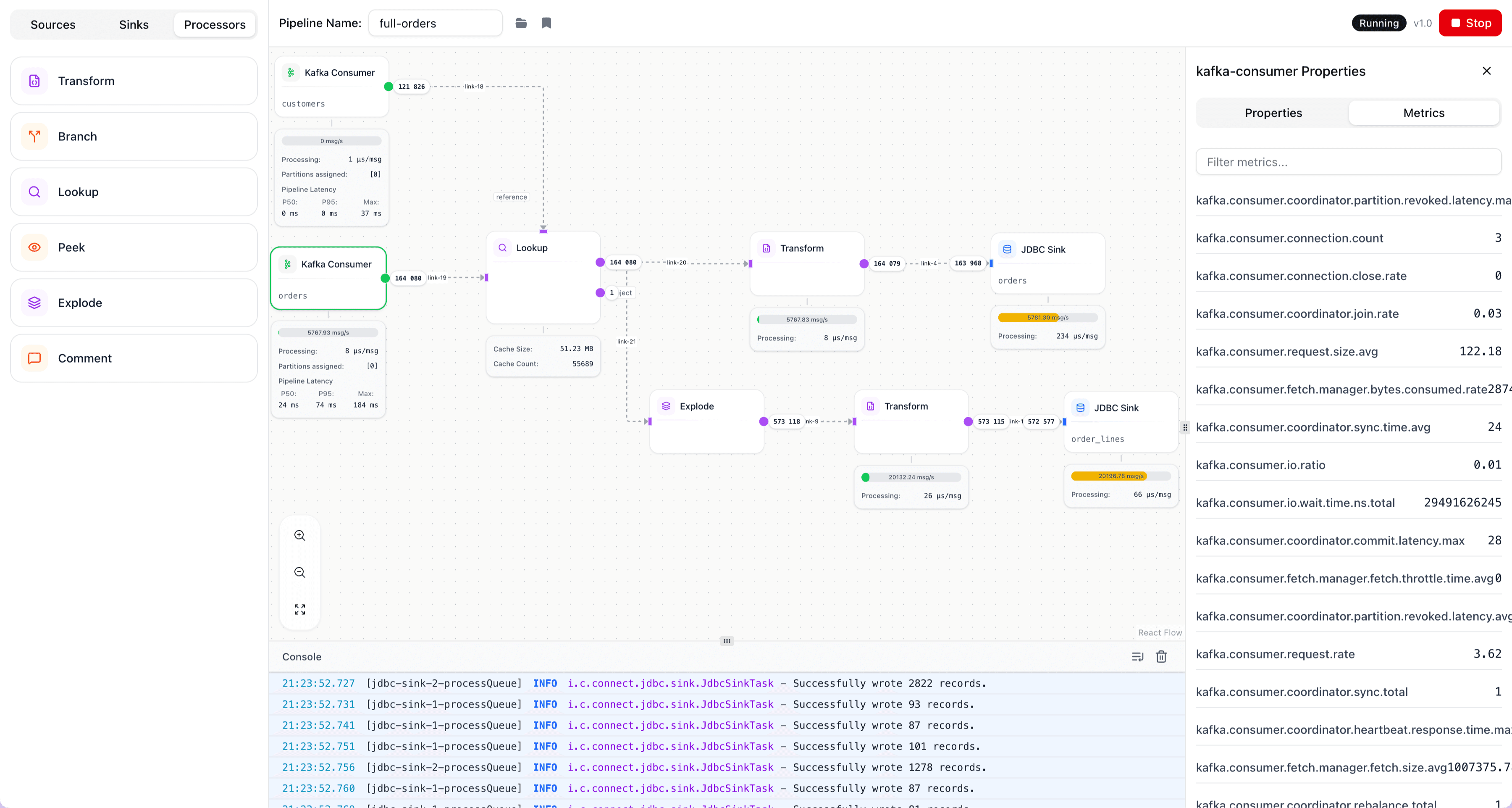
Design your pipeline like a flowchart. Get a deployable container. Run.
From idea to production in hours, not weeks.
Visual design replaces framework plumbing. Serdes and schemas are there in the back serving your interests through autocomplete, hints, and various recommendations and guardrails.
From idea to production in hours, not weeks.
Visual design replaces framework plumbing. Serdes and schemas are there in the back serving your interests through autocomplete, hints, and various recommendations and guardrails.
Deployment is a breeze.
One artifact. One Docker image. Owned by your team. No build.gradle, no pom.xml, just straight to your preferred orchestrator. Automated pipelines, environment management, health checks, and rollbacks included.
Deployment is a breeze.
One artifact. One Docker image. Owned by your team. No build.gradle, no pom.xml, just straight to your preferred orchestrator. Automated pipelines, environment management, health checks, and rollbacks included.
The right monitoring, by default.
Real-time metrics. Actionable alerts. Performance insights. Prometheus endpoint ready. You shouldn’t have to build observability from scratch every time.
The right monitoring, by default.
Real-time metrics. Actionable alerts. Performance insights. Prometheus endpoint ready. You shouldn’t have to build observability from scratch every time.
Kanal focuses on the boring 80% that your business needs,
not the shiny 20% that talks celebrate.
The kanal approach
Boring by Design.
Design your pipeline like a flowchart. Get a deployable container. Run.
From idea to production in hours, not weeks.
Visual design replaces framework plumbing. Serdes and schemas are there in the back serving your interests through autocomplete, hints, and various recommendations and guardrails.
Deployment is a breeze.
One artifact. One Docker image. Owned by your team. No build.gradle, no pom.xml, just straight to your preferred orchestrator. Automated pipelines, environment management, health checks, and rollbacks included.
The right monitoring, by default.
Real-time metrics. Actionable alerts. Performance insights. Prometheus endpoint ready. You shouldn’t have to build observability from scratch every time.
Kanal focuses on the boring 80% that your business needs,
not the shiny 20% that talks celebrate.
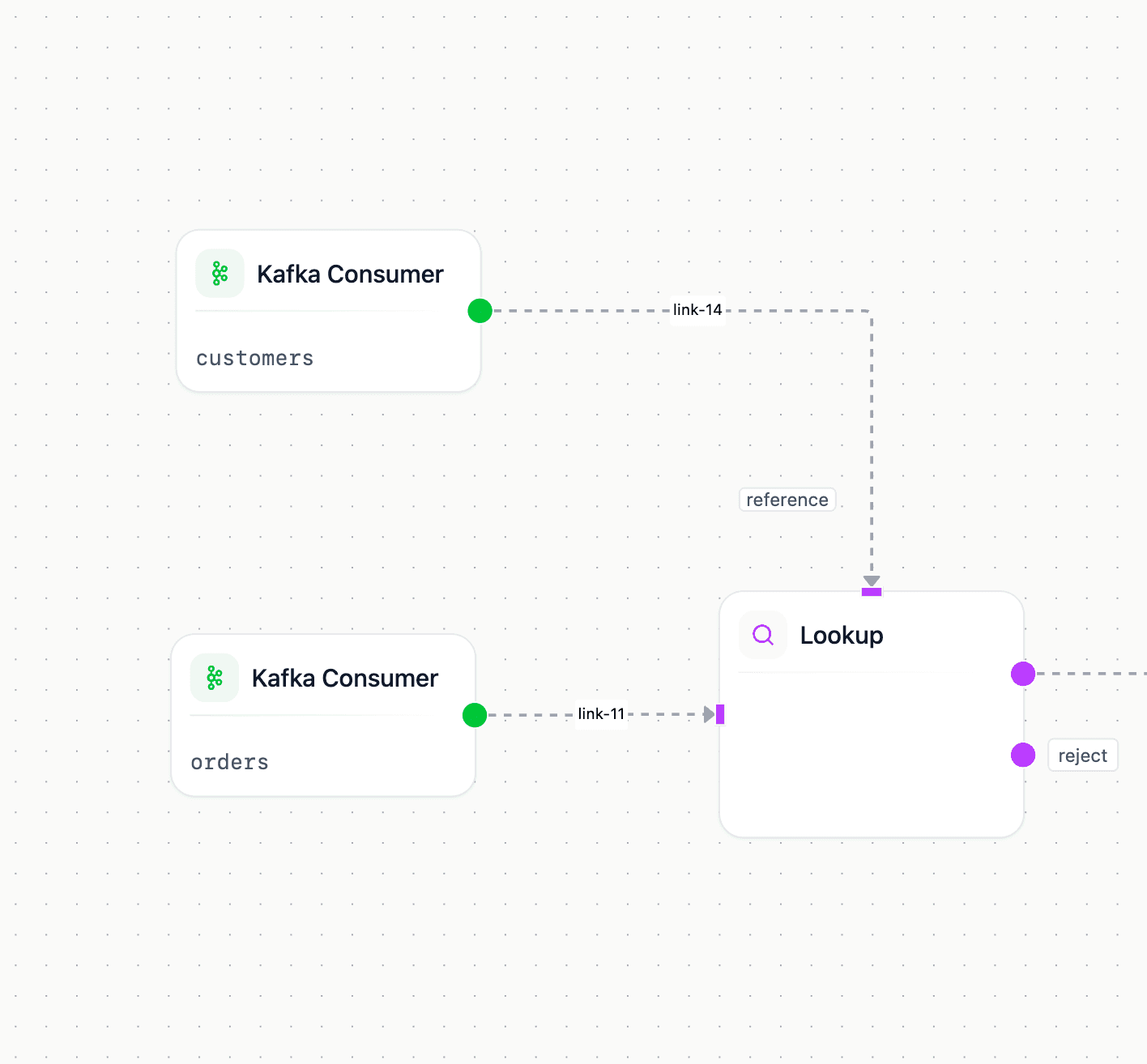
Visual No-Code Design
Build pipelines the same way you’d explain them on a whiteboard. Auto-complete guides you through.
Visual No-Code Design
Build pipelines the same way you’d explain them on a whiteboard. Auto-complete guides you through.
Decentralized
Deployment
Ship a Docker image owned by your application team. No shared cluster. No platform dependency. The autonomy Kafka promised, finally delivered.
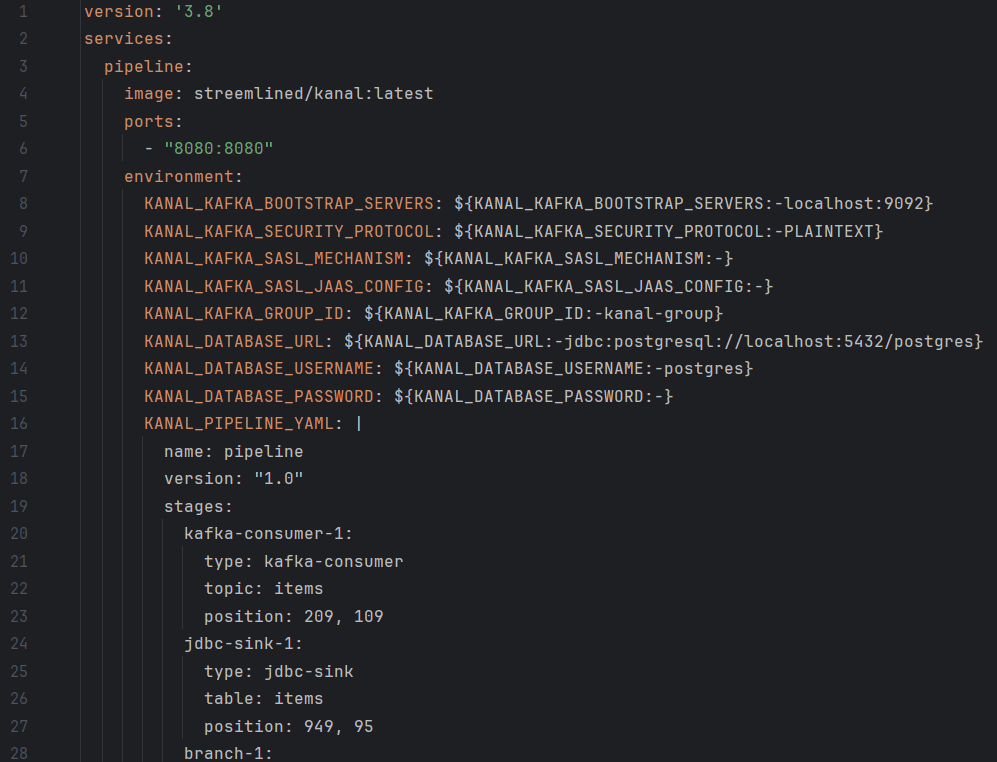
Decentralized
Deployment
Ship a Docker image owned by your application team. No shared cluster. No platform dependency. The autonomy Kafka promised, finally delivered.
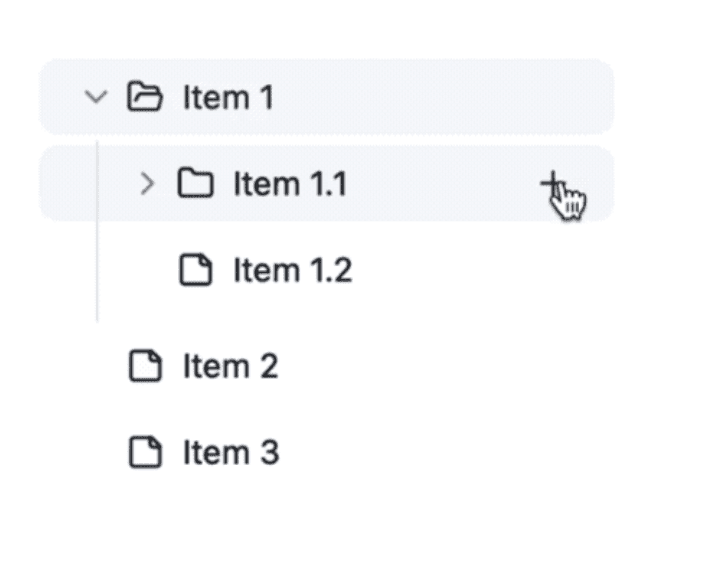
Kafka Connect Plugin Compatibility
Drop any existing Sink Connector into a plugins folder. It just works.
Kafka Connect Plugin Compatibility
Drop any existing Sink Connector into a plugins folder. It just works.
Batteries-Included Operations
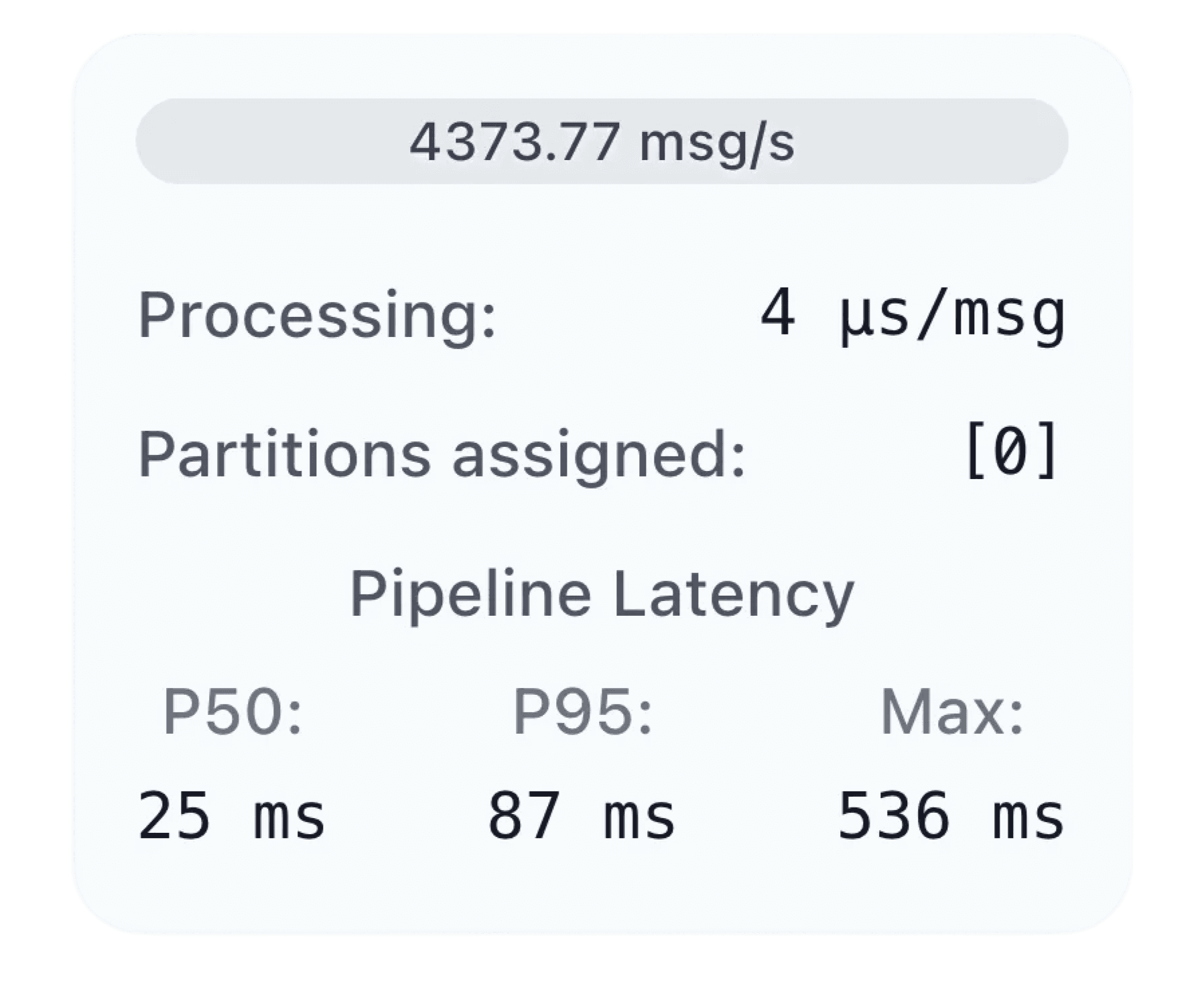
Health checks. Metrics. Alerting. Rollbacks. Pause and resume. Offset resets. Everything you need to operate in production, without building it yourself.
Batteries-Included Operations
Health checks. Metrics. Alerting. Rollbacks. Pause and resume. Offset resets. Everything you need to operate in production, without building it yourself.
How it works
Four steps. That's it
1
Design your pipeline visually
Drag, drop, connect. Stream/table joins, transformations with JSONata, auto-complete guiding you through.
Drag, drop, connect. Stream/table joins, transformations with JSONata, auto-complete guiding you through.
2
Generate a Docker image
No build.gradle, no pom.xml. Just a container ready for your orchestrator.
No build.gradle, no pom.xml. Just a container ready for your orchestrator.
3
Deploy to your own infrastructure.
Owned by your team. No shared cluster. No platform dependency.
Owned by your team. No shared cluster. No platform dependency.
4
Operate with built-in telemetry
Metrics, alerts, health checks, rollbacks, pause/resume, offset resets—all included.
Metrics, alerts, health checks, rollbacks, pause/resume, offset resets—all included.
How it works
Four steps. That's it
1
Design your pipeline visually
Drag, drop, connect. Stream/table joins, transformations with JSONata, auto-complete guiding you through.
2
Generate a Docker image
No build.gradle, no pom.xml. Just a container ready for your orchestrator.
3
Deploy to your own infrastructure.
Owned by your team. No shared cluster. No platform dependency.
4
Operate with built-in telemetry
Metrics, alerts, health checks, rollbacks, pause/resume, offset resets—all included.
Ready to make Kafka streaming boring?
If this aligns with what you need, let’s discuss.
Grab a time.
OR
Or contact me directly at julien@streemlined.io
Ready to make Kafka streaming boring?
If this aligns with what you need, let’s discuss.
Grab a time.
OR
Or contact me directly at julien@streemlined.io
Ready to make Kafka streaming boring?
If this aligns with what you need, let’s discuss.
Grab a time.
OR
Or contact me directly at julien@streemlined.io